The Four Agreements by Don Miguel Ruiz-Part II

This is an extension of Tuesday’s blog with a more in-depth analysis. Ruiz believes we have been taught since childhood to “…fit into society’s mold,” which made us forget who our “true selves” are. If we can adopt the Four Agreements as part of our lifestyle, we might break through these limitations. Why wouldn’t we want to live a life of freedom, happiness, and love?

The first agreement, Be Impeccable with Your Word, is a powerful understatement. Our words are a power that create influence on everything. Words are not just sounds or symbols. Nuances carry energy and intention. They can heal, harm, uplift, or degrade. Every time we speak we can go in a direction of positive or negative. Inflection is key, and your intentions manifest through your outspoken thoughts. Negative and hateful speeches can bring doom and gloom to any conversation and create a world which we don’t want to live. Remember your history. This happened many years ago in Germany. A horrible leader used his words to manipulate a whole country, mostly intelligent people, into committing the most atrocious acts and enter them into a World War. Humans destroyed each other because he activated their fear. They became afraid of each other. Ruiz stated that “Whenever we hear an opinion and believe it, we make an agreement, and it becomes part of our belief system.” Being impeccable with our word can transform us, create a better belief system, and foster loving and healthier relationships.

The second agreement, Don’t Take Anything Personally, delves into the idea that people’s actions and words are reflections of their own beliefs and emotional states, not necessarily about us. When people react negatively to what is said to them, and they don’t believe the information is the truth, it is due to the fact that they are actually struggling internally to some message they know isn’t true. They stand by a belief or misinformation. They believe they are in the right. The vulnerability of this emotional turmoil makes us hurt, angry, or defensive, and we lash out. If we can take a step back and not be swayed by either praise or criticism, we become more emotionally stable. If we can have honest conversations and agree to disagree, we can make progress. In the movie, Dr. Strange, he is confronted by the Ancient One on a roof top in New York. Dr. Strange had a terrible car accident which crippled his hands (he was a neurosurgeon). In the conversation the Ancient One reminds Strange of his fear of failure. Strange thinks it’s what made him a great doctor. The Ancient One told him that fear was what actually kept him from true greatness. She tells him that was why he never found true happiness. Her last words to him were: “It’s not about you.” So let’s look outside ourselves, our fears and move beyond “taking it personally,” we might learn something new about the rest of the world. Ruiz states: “If you live without fear, if you love, there is no place for any of those emotions.”

Two favorite quotes of the day. Something to think about:
“Do the best you can until you know better. Then when you know better, do better.”― Maya Angelou; and
“When someone tells you that a term or phrase is more accurate/less hurtful than the one you’re using, you now know better. So why not do better? How does it hurt you to NOT hurt another person?”—Ron Howard

Part III tomorrow on the third and fourth agreement. I love you all and hope you take a moment to reflect what’s holding you back to embrace love in the universe and yourselves.

The Power of Journaling: Leaving Your Mark

I just finished reading an incredible book called The Frozen River by Ariel Lawhon. The heroine, Martha Ballard, (based on a real person in history) is a midwife in the late 1700s and her trials and tribulations make me thankful that I am a woman of a certain age with personal rights and powers in this century (so far). One of the things Martha performed in this story was recording all of her activities each day (with quill and ink no less!) in her journal. In one chapter, she praised her husband for teaching her to read and write (women weren’t allowed or encouraged to do these things in her day). He helped her create a world that opened up so many possibilities. He bought her journals, and created pens for her. She asks herself why the daily writing was so important to her. Martha’s answer to herself was because her “…markings will one day be the only proof that I have existed in this world. That I have lived and breathed…It is not that I want to be remembered, per se. I have done nothing remarkable. Not by the standards of history, at least. But I am here. And these words are the mark I will leave behind.”

WOW! WOW! WOW! 5-star reviews all the way!
Lawhon’s writing inspired me to keep doing what I do. She does her research, and gives amazing details that add to the story. She is a crusader for all women! And she unpacks her story at the end of the book like I do, giving explanations and facts about how the story came to her and how she drafted the book. And, what a record to have uncovered from the past. How cool is that?

So, to me, writing is not just a daily brain exercise, but a way to leave your mark on society. And, yes, we don’t have to write with quills, or even pens and paper, but computers allow us to journal every day, and help us leave a small mark of our existence in a world of unknowns. Daily journalling (or blogging) of any kind can help ease our tortured souls and send questions out to the universe. Even if they don’t get answered, we have aired our frustrations out loud. We have voiced our thoughts on any subject that comes to mind. Sometimes we are way off the mark, but other times we are spot on. It’s this discourse that is needed to have a sane and logical existence for all of us. Writing shouldn’t be about hate, anger, or craziness, just interesting ideas, and history to cogitate on, and maybe words that change our opinions of ourselves and others, and our interactions with others.

So maybe I’ve not taken a lot of paths that I should have taken, but I have found peace in this valley of the Foothills, describing daily life lessons in my little blog. My life is peaceful at the moment and I intend to keep it that way. I have a little piece of paradise, even though it’s really cold outside.

Today I hope you reflect on your life lessons and maybe write a few of them down. (There’s still time to take my Valentine’s Day questionnaire and get back to me!)
https://drutieben.com/2025/01/15/valentines-day-questionnaire/

There’s still time to get on board the love train and make your own noise (or journal them) and make your own mark in the world. Love reigns tonight and I praise you efforts!

Generational Wisdom: How Baby Boomers Can Inspire Change

I originally wrote and posted this on 2012. I have made a few tweaks but think the message is still clear for us Baby Boomers to WAKE UP and shake and move what we can! We need to get on with our lives in new ways!

And, speaking of baby boomers, I never really thought I was old until I saw Al Sharpton on the TV (2012). I thought to myself, “Wow, he really looks old!” Then, he said, “The first time I was allowed to vote was in 1972.” Then, I said to myself, “Holy crap! That was the first year I could vote!”
Next thing you know, I’m looking at myself in the mirror and see the face of a stranger – no wait! It’s my mother! All of us go through these series of difficulties as we grow older. Some of us embrace the changes. Others just get grumpy and afraid.So when exactly did we get so afraid?

I wrote this dialogue in my book Discover the Life You Want to Live. And even though I published it right after the original blog, I believe it’s still worth the read. It just may explain this fear:
What happened to us?
-I’m used to women who went to Alaska to save the birds when the oil spilled.
-I’m used to women who took martial arts and could defend others and themselves and felt good about it.
-I’m used to women police officers, horseback riders and trainers – women who have their own tools!
-What happened to us? What is going on with the new twitter-tweeters (or X), texters, Facebook, bloggers, Instagramers,  all of those crazy people who rant and rave about things that aren’t real. Why are they staying and home and believing what they hear? Why aren’t they stepping outside their homes to do anything? Is there a gene that says we have to become passive and safe after we turn fifty? I’m at a loss when I talk to women who’ve never tried skydiving, or taught juvenile delinquents how to take care of themselves – how to take responsibility despite the fact their family is dysfunctional – women who could nurture, yet at the same time remodel a house, remake a garden, bake bread, or rebuild a car and have their own all-women’s car club!
-What happened to us?  I’ve been spending time together with savvy women who aren’t afraid to invest their own money even after 9/11. They are the kind of women I want in my life all the time. I don’t won’t the whiners – the poor pitiful me types. That really brings me down. When I go there it makes me sad. I still want to live a productive life even if I have to be alone, which is a challenging thing to do sometimes.

After 9/11 why were we so afraid? (I am also adding after the Covid epidemic in 2019 to this fear list.) Safety became so big – we wanted the government to do something about it but we didn’t want government intrusion at the same time (we’ll do it ourselves except we want you to protect us mentality) was what people screamed. Viagra, Paxil, those things we started worrying about more because the ads told us to worry about these conditions. Red Hat Societies started, but what did they really do? Talk a lot and drink a lot of tea? Come on! Where’s the doing? Ads about body hair and other unmentionables for crying out loud! What’s that all about? Reality TV instead of making our own reality? Cable shows getting better and better than regular channels, but we have to pay for it; elections being about women’s bodies, gay rights, and religion; our rights being taken away each and every day. What happened to all these women speaking up in the 1960s and 1970s? We got old and gave up. We worried about health care, instead.

So now I must shout to everyone: “Bahala Na!” or “Come what may!” I read this in a novel called Lost in Shangri-La by Mitchell Zuckoff. It is about women soldiers surviving a plane crash during WWII. They were on a small island on what is now part of the Dominican Republic. They had to survive their injuries – concussions, gangrene due to severe burns from the plane exploding, all while walking in uncharted territory with little or no food, where no non-native woman had ever been. These were some tough women! Why have so many of us never been exposed to this environment? Oh, sure, we’re weekend warriors; we have running clubs, but have we really ever had to survive like they did?

And yet, there are people out there doing this every day. They are unhoused folks. Yes, perhaps they made bad choices somewhere along the lines. Perhaps they overspent, and then lost their homes and their jobs. Perhaps they were living on the edge and addictions got in the way. But, as things get increasingly expensive for all of us, we need to rethink our finances and try to help these people in our community. We have so much wealth where we are today. I mean wealth as a term for our lovely town, of living standards that surpass any other place; for green and sustainable living; for our ability to buy and prepare foods that have been grown locally and being able to eat out in places that are healthy and actually good for us. And one that makes us above the average income of any other place in the country.

I know, I know, you don’t think you have a lot of money because you have to pay off your house, your college, your kids’ college funds. But there are people who have no savings at all. They live day-to-day. And, if they lose their jobs, they plunge more quickly in debt. They are not the dreaded welfare moms image that the Reagan administration foisted on us. People who sometimes need help genuinely want to work and don’t have jobs, not because they are lazy, but because their job was outsourced. Women our age have a lot more influence than I had in the past. Now is the time to use our leverage.

We cannot encourage our young daughters to buy into the Trad Wife mentality. It will only hurt them in the end. We need to have honest conversations with them (turn off the phones during that time!) and I encourage you to read all about this phenomenon. It is quite disturbing and is simply wrong. This concept is making only one person money because they are listening to her. IT IS NOT REAL! Here are some articles that I found that explain this current phenomena:
https://www.parents.com/tradwife-meaning-and-why-its-controversial-8656603
https://www.newyorker.com/culture/persons-of-interest/the-rise-and-fall-of-the-trad-wife

Most of us didn’t come from old world money. We came from middle class America. Our mothers didn’t wear designer clothes while cooking or were the perfect wives. We came from a generation that taught us how to cook and keep a home, but some of our mothers also worked outside the home to make ends meet. We also learned how to pinch pennies in a time when we weren’t paid very much. We came from a generation where we knew women were underpaid and did a lot of work, both in the home and out of it.

Now, we have an opportunity where we can give back. We can teach our daughters to understand the 1950s family is not real. We can become the mothers and fathers to others. We can become role models to the people who have never had one. We can teach others how to live within their means, no matter how meager it is. We can give others a chance to survive in this world.

Material things aren’t the most important things in life. We can learn this lesson and teach others how to understand that survival and safety come first. If we are good cooks and bakers, we can help others make their own hearty meals. We can volunteer at community centers and kitchens. We can teach them how making their own food makes the house smell wonderful, and they learn how to be a family by eating and cooking together. We help ourselves and others by turning off the devises, and TV to learn how to appreciate what is free in life. We learn to take a good walk. If we grow personally, we get ideas to stimulate growth in others. Ideas escalate to useful concepts for humanity. Only then can visions of paradise become reality.

I love you all and will walk this path with you if you want. Hugs to all on this cold day!

Bugs Saves the Earth

Remember when we watched Bugs Bunny as a kid and Marvin the Martian appeared on an episode? Remember what joy Bugs and company brought to us when they came to save the day? And the best episode? Duck Dodgers in the 24 ½ Century brought about during the reboot of Buck Rogers in the 25th Century in 1979.

So now, they are doing a new reboot of Buck Rogers with George Clooney on Netflix. I don’t know about this. I loved the old comic book stories about this iconic spaceman protagonist. And when they created a series in 1979, the version was campy and didn’t do justice to the imagination of us older kids. If we wanted campy, we would just go watch Bugs Bunny. The Buck Rogers comic strip first appeared in 1929, and was created by writer Philip Nowlan and cartoonist Dick Calkins. Nowlan debuted the character of Anthony (“Buck”) Rogers in Armageddon: 2419 A.D. (1928–29), which was serialized in Amazing Stories, a magazine I subscribed to for years. It was the first magazine that popularized serious science fiction stories. And to a lay audience, the strip introduced and popularized such science-fiction paraphernalia and concepts as ray guns, robots, and rocket ships that previously had been written about only in pulp magazines. The comic strip was first titled Buck Rogers in the Year 2429 A.D. It was renamed Buck Rogers in the 25th Century, and in the earliest film production (1939), it was changed to Buck Rogers.

Honestly, I think we should leave these campy reboots behind because now is the time to regale science fiction with more sincerity and respect to the genre. Now is the time to create beautiful new stories and movies based on the greats such as Poul Anderson, Isaac Asimov, Robert Heinlein, Ben Bova, Larry Niven, Jerry Pournelle, and Michael Flynn (he came later to the party, but I love, love, love his vision and writing). The many things we all lived through in our lifetime, as well as my parents’ lifetimes, came out as cautionary tales for the future in these writers’ books. But their stories also created a more positive outlook for our future. Their stories can be re-told now, but only if screenwriters and directors have actually read the books and interpret them how they were meant to be interpreted (Hear me Disney, Hulu, and Netflix and other streaming media!). They can be adapted in much better films if you have the right voice. We don’t need more hilarity or horror in space. We need positive experiences and outcomes that will help us know that our children might just survive off planet in the future. We want outcomes where they find a better world than what we have created for them on this planet.

I just bought and began re-reading Poul Anderson’s three-volume set of The Psychotechnic League on my Kindle app (I have the originals in paperback) because my story line for the final Caitlin Ferguson novel sparked a memory of the messages from these books. They took me in the direction I needed to go. The joy of remembering his stories brought me such clarity as to how I am ending this series. So, a little science fiction in our lives is a good thing. It sparks memories of the past and enhances choices of what we will be making in our future for survival.

My thoughts for all of you out there: Enjoy a little science fiction in your lives and contemplate the future in a unique way. (I have sooooo many more suggestions for your reading list!) Get beyond your earthly trips and seriously think about all that our kids will be able to see and enjoy in their futures.

Watch and laugh at the Marvin the Martian characters but know that the many true rocket scientists and engineers are attempting to find a way for all our children to survive off planet. Even if we don’t personally get to go, I will be there applauding the future generation!

For more entertainment featuring Marvin the Martian and Duck Dodgers, you can tune in on YouTube and see the best of the best:
https://www.youtube.com/watch?v=NT5zcmLeRLo

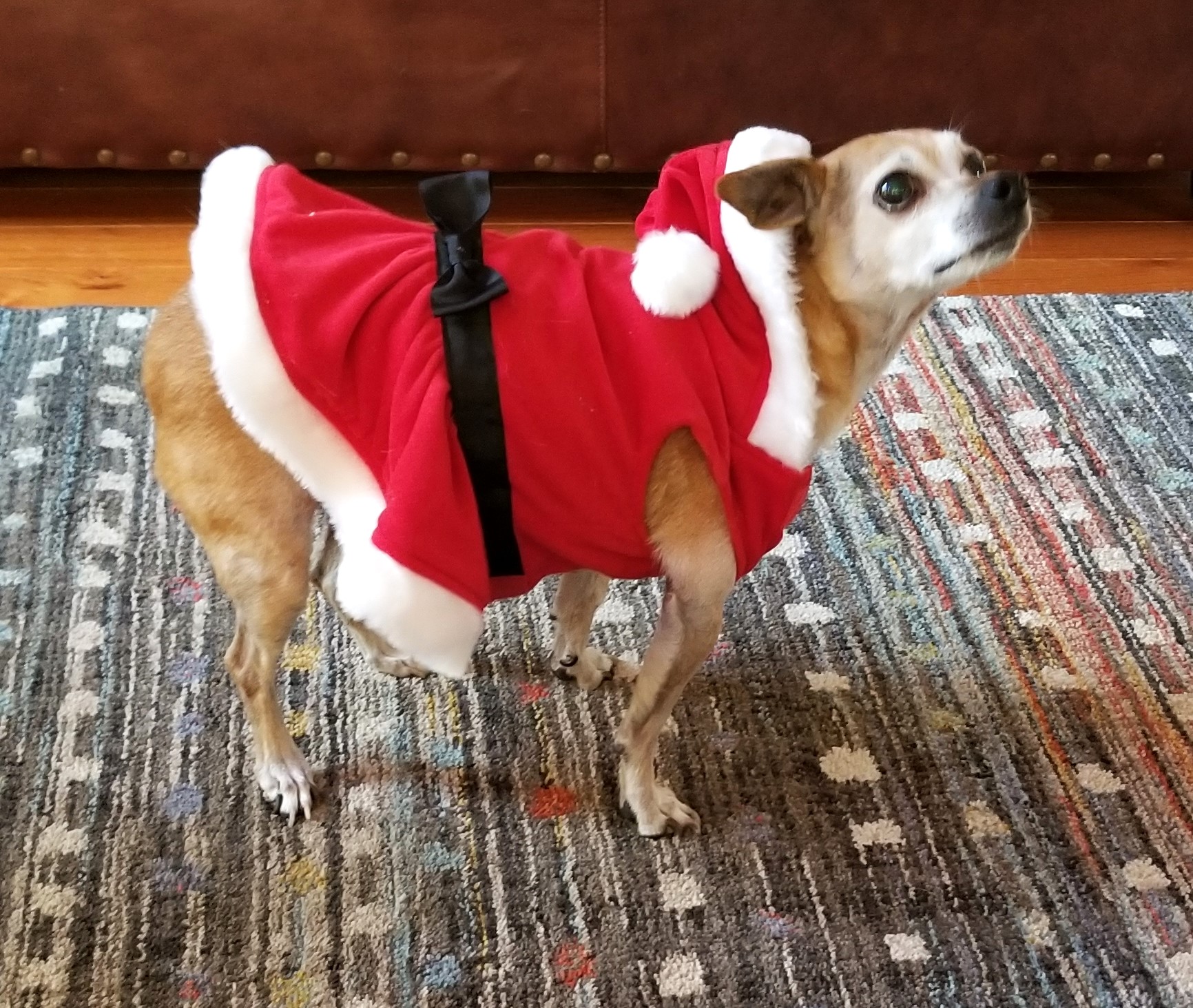
Merry Christmas everyone! Little Jewels says Hi to all Y’all!

Christmas Collections and Traditions from the Nerd Family-This is Who We Are!

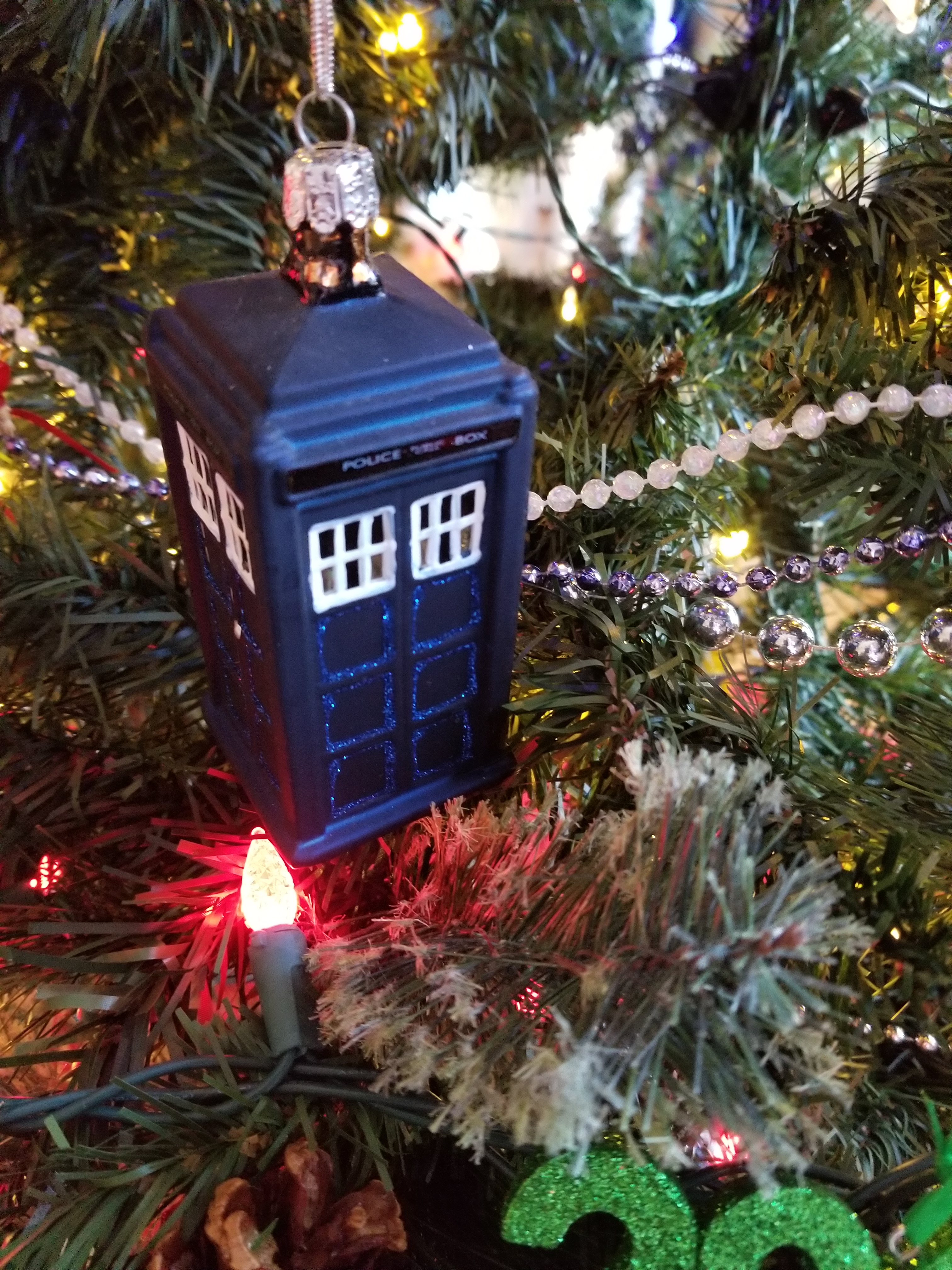
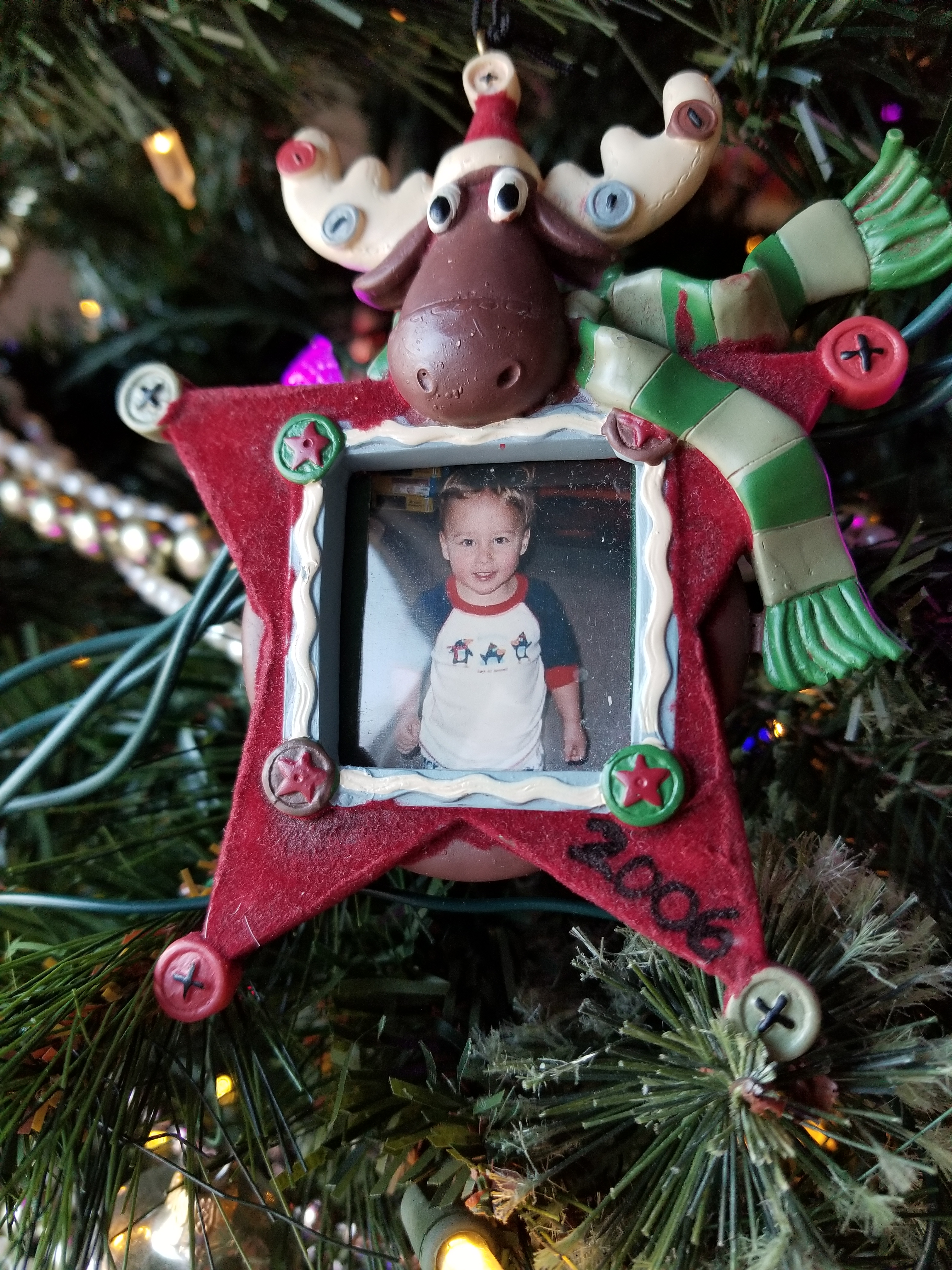
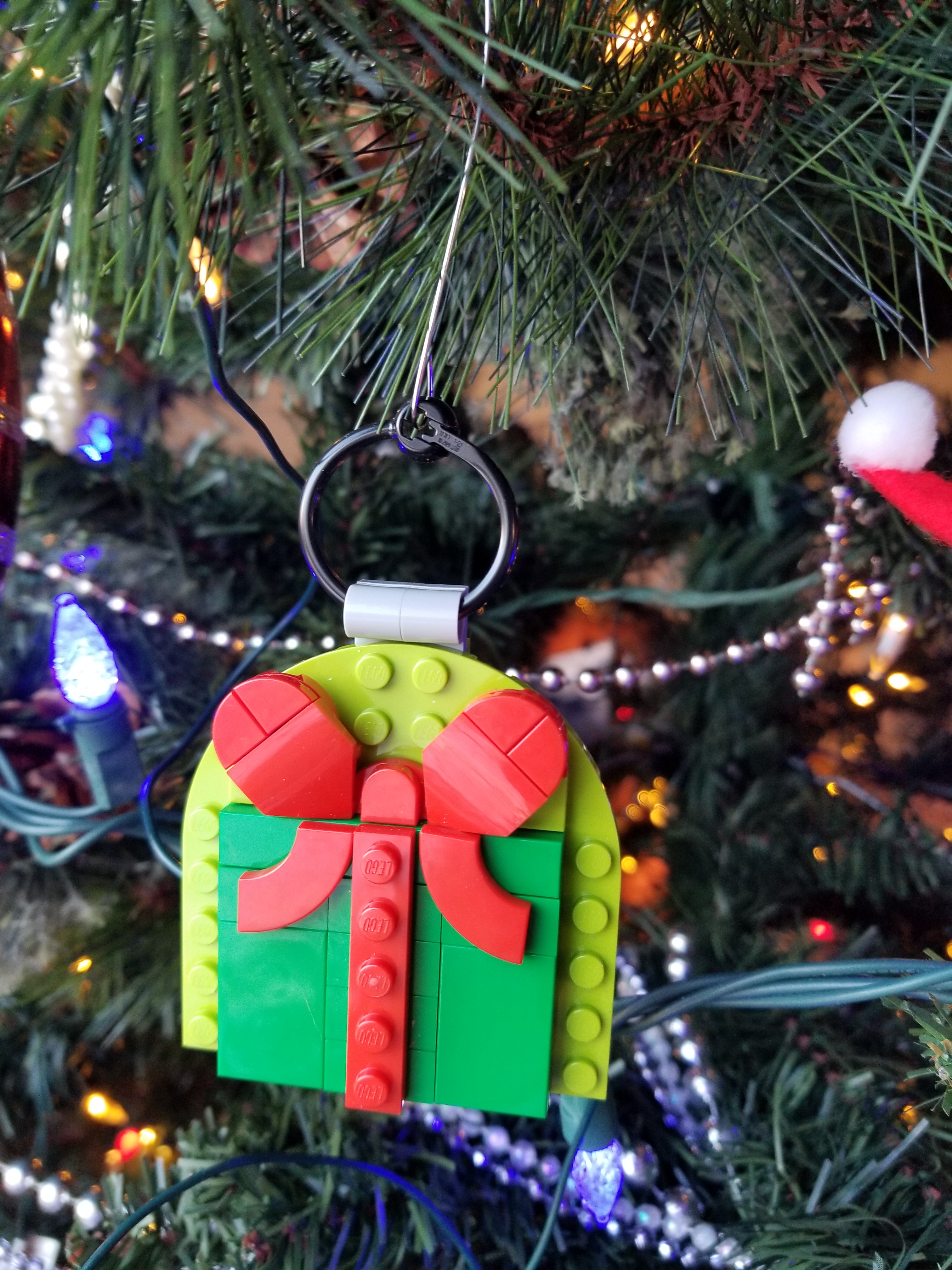
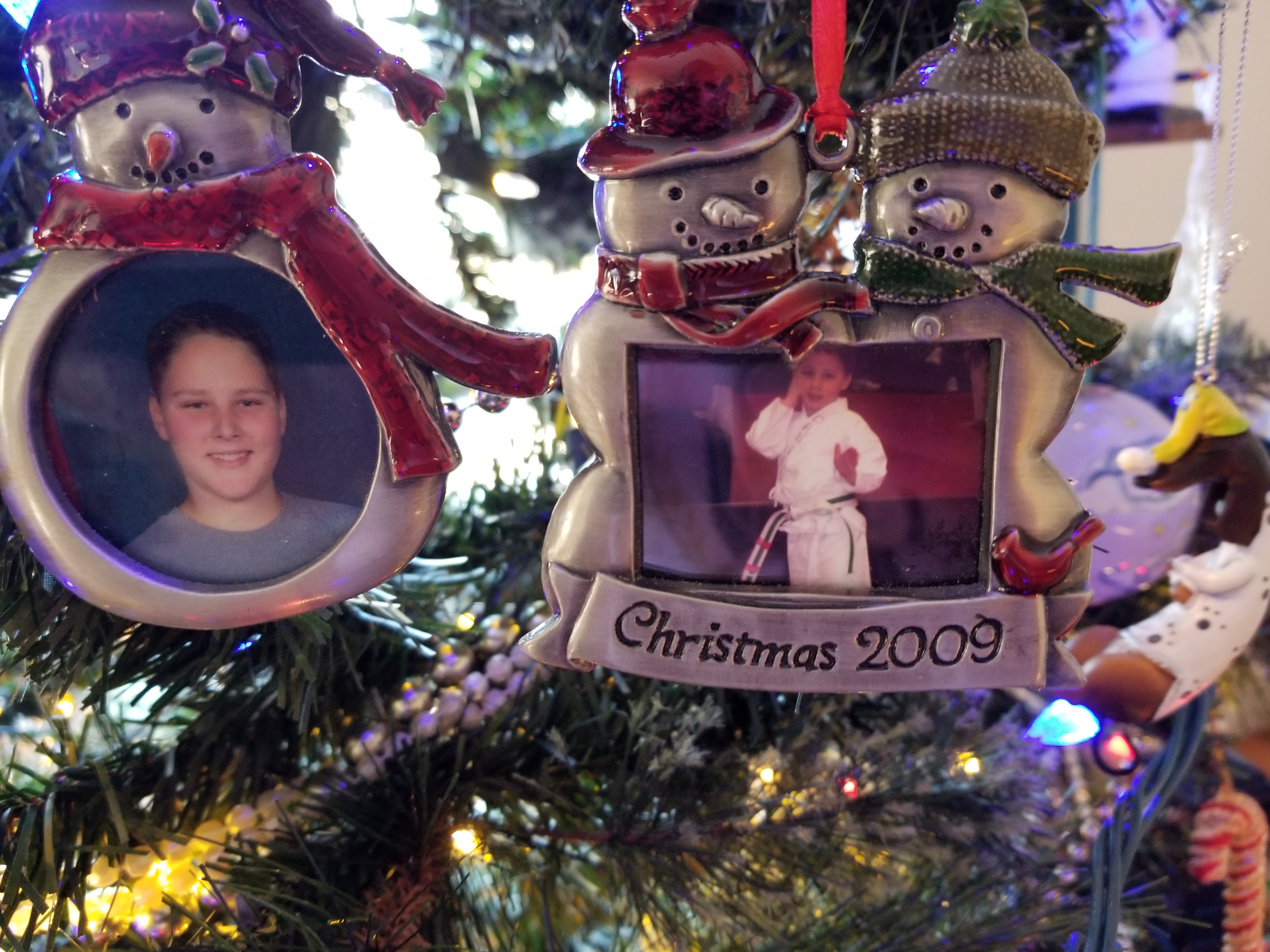
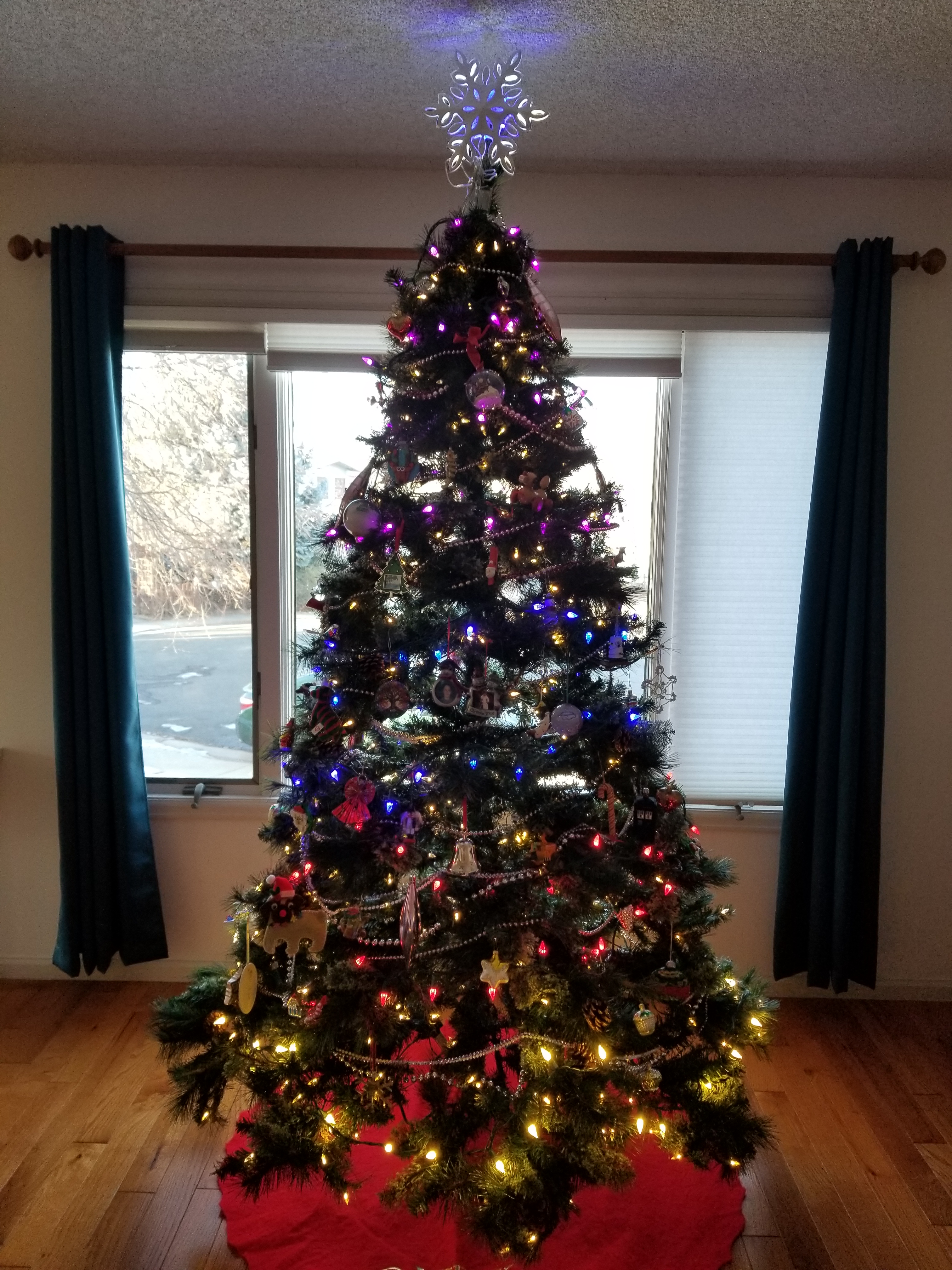
When I finished decorating the Christmas tree today, I looked at it and said to myself, “Boy or Boy, are we the nerd family or what?” Looking over the ornaments we have collected over the years, here is what I saw:

Lots and lots of Lego ornaments (assembled lovingly by all of us over these last few years);
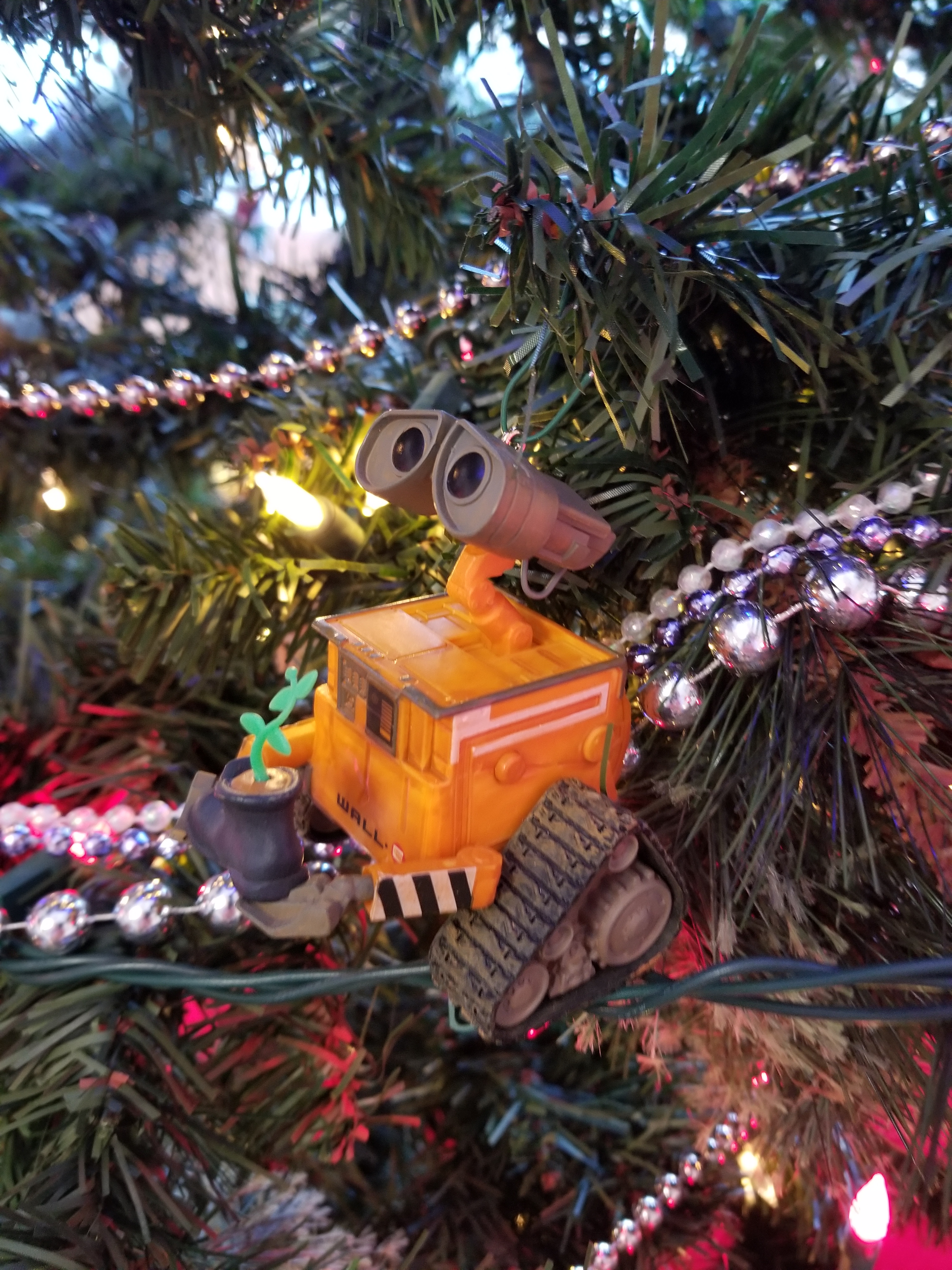
A Wall-e figure (that talks);
A Tardis (yeah, you know what I’m talking about); and,
Many cute, framed pictures of Kiddo (from 2-year-old karate days to pre-teen years-what a ham;
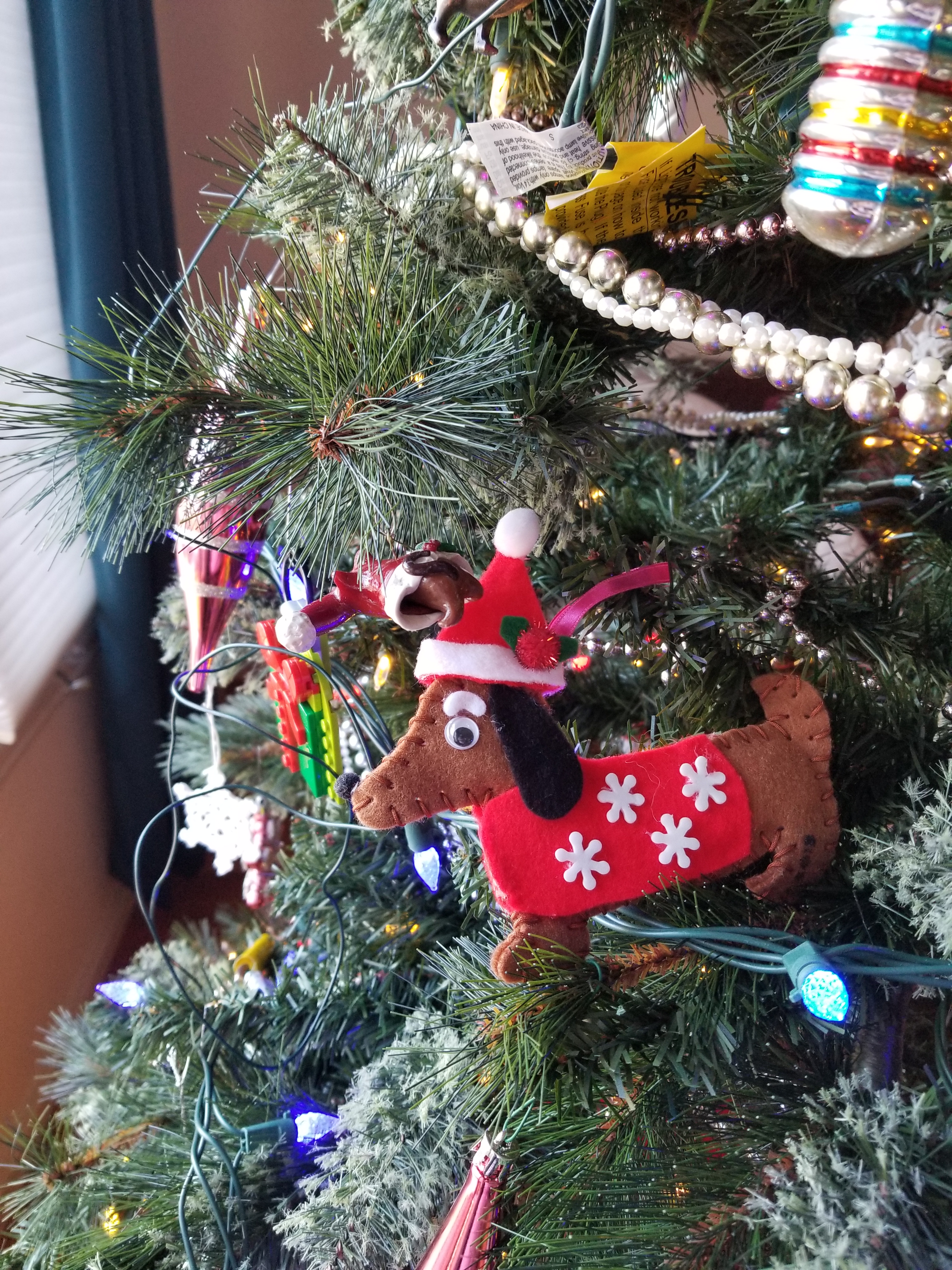
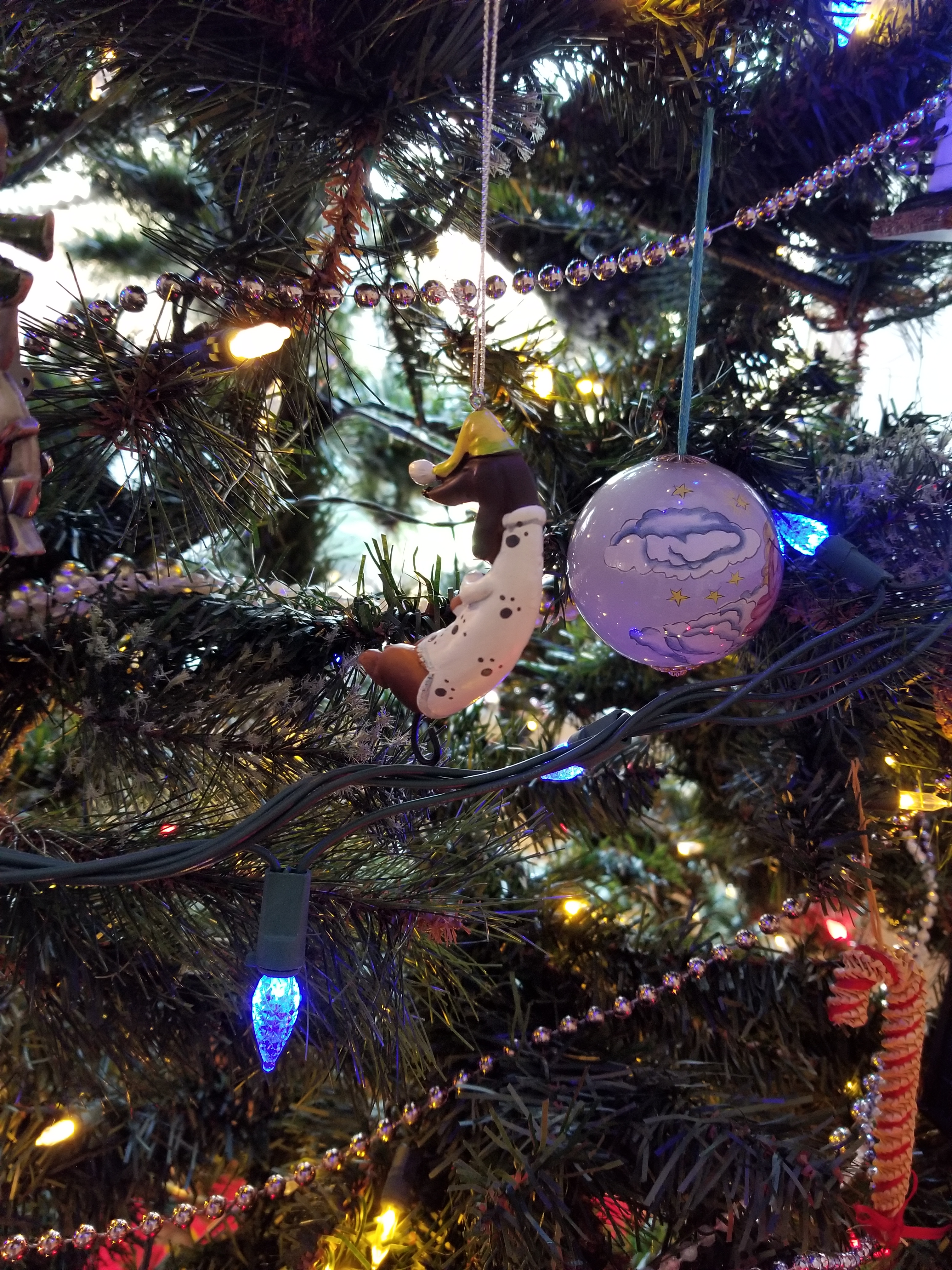
Lots of lots of Weiner Dogs-and some have on pajamas! Too funny!

And the nerd of all nerd ornaments that we have saved for many years but didn’t put on the tree this year: An entire Rubbermaid storage box of spaceships (Star Trek and Star Wars).

So now is the time to bring out all your fond memories and decorate your tree in your own nerdy way! It’s our fun family tradition where we don’t fight much and enjoy each other a little bit.

Make your own version of the 1950s classic Chex Mix in your own way and enjoy a big bowl, sitting around the tree! I love you all and hope you have a great holiday season creating your own fond memories with your children and grandchildren around you.

Friday the 13th-Displacement, Disenchantment, and Jack Reacher

Today is Friday the 13th. I just read my friend’s earlier Facebook post and vigorously applauded it. Shout out to Gwen Brandenburg and here is her post:

“Happy Friday the 13th all! Prior to Christianity, Friday the 13th was the Day of the Goddess – a day to celebrate feminine power and creativity. The number 13 is associated with feminine power, as it represents the number of periods a woman has in a year. More recently, religions have taught society to shame women for their menstrual cycles, and to fear the number 13. Fortunately, we don’t need to! Wear pink today. Embrace your power, or for men, appreciate the life-giving power of women!” 💕

So, having read her post, I forgot to wear pink but know that I wanted to acknowledge to the world that we women are different, strong, and beautiful. Yes, we have things that happen to our bodies that so many men don’t want to think about. Yes, we bear their children, and they forget about that. However, no matter how much we are downtrodden and dismissed, no matter what the men think, we get back up and move onto the next task! We are all strong women, and we should shout it to the world! We know what we need to do to save the planet and all who live here:

TEACH OUR CHILDREN our life lessons!

Jenny Slate in her book Little Weirds had this to say about our mother’s teachings. Her mother knew a lot about plants and on their walks, she would always point out a flower and ask, “Do you know what it is?” And if Jenny knew they would both enjoy that they both knew. She said, “This is also one of the first ways that I perceived power in another person: …if you have it, it is powerful and excellent to pass it on. That is the act of power, showing that you know, giving it to another person, realizing that as you spread it, you get to keep it but watch it grow, and by watching other have it, you learn new things about the original thing.”  

WOW! WOW! WOW!

These past few days, I have been thinking about why some of us are feeling so overwhelmed with this new second act of our government regime. For me it’s when justice is not served to those who have failed us and committed acts of violence to women and well, really, any criminal acts, we start to lose hope in a fair system.

So, here’s my thought about all of this, how we can get by each day for a while longer: If you’ve haven’t read the Jack Reacher novels by Lee Child, I encourage you to do so if only to be in a wonderful fantasy world for a little bit and maybe get some incentive to be involved. If you don’t have time to read all of them, that’s okay (there are twenty-nine of them to date). You’ll understand what I am talking about after you read the first few.

Next, watch the series (not the Tom Cruise movies) on Prime Video. The actor in the series (Season 3 coming out in February!) is incredible. His name is Alan Ritchson, and he is amazing in this roll. His character (and body) fits the description of Child’s Reacher in the books in every way. All I gotta say is: Oooooh La La! Check him out at:

https://www.menshealth.com/entertainment/a46663668/alan-ritchson-reacher-interview/

But what I also liked about the TV series, was the role of the talented and strong women on his team. They had mad skills, held their own, worked well together and they helped the victims. They made right what was wrong with the overall arch of the story. I want to be on that team!

So today, I ask all of you to binge watch Reacher, and be like Jack Reacher! But remember to also pay attention to what your mother taught you.

I send out good thoughts and hopeful progress to all of you out there tonight!

LIFE IS AN EDUCATION-Reflections from School in the 1960s-Civilization as it Stands-Part IV


Continuing from yesterday’s post:
What does this discourse in primary years of education say about our civilization and technological advancement? As society continues to change and grow, the individual must change and grow at the same rate. Some people change along with it. Some stay the same. We all want to continue to learn innovative ideas, but we are continuing to use old methods. We cannot get stuck in the past and forget our dreams, and our creative process based on our history. We must learn to accept our failures and get unstuck. If we continue to believe we cannot change, we will not change. We will stop learning new things. We will stay in jobs that are mentally unproductive. We will stop enjoying our lives. We will stop learning something new. We will begin to believe that this mundaneness is all there is to life.

If we continue to let only one percent of the world’s population make all our personal decisions, we will lose our courage to uproot negative feelings about ourselves and others. We will not believe in ourselves. We will refuse to believe that a single individual can make a change. If we can get beyond what our adolescent years taught us about learning new things, and dealing with new people, we can finally complete the growth process and become an adult and functioning human being. We won’t be as angry with ourselves – this anger which usually translates to anger at others and the world. We can finally learn to stop and take it one day, even one hour, at a time.

During the 1960s, we as a nation began discovering the individual and the individual in relation to the world that surrounded us. Some of us didn’t like what we saw and dropped out. We went to communes in hopes of achieving happiness. Some of us decided to become part of the political action scene. These were the ones who thought that working to elect new blood would change society. Some of us became activists, disliking the system and wanting to completely give up on society as it had become. To me, this is usually translated as blowing up s*#t, thus harming innocents in the process. Some of us still believed in the system enough to try and make changes by working for the government. Others simply rode the storm out. The influence of the Vietnam War permeated the sixties’ and early seventies movement. We blamed everyone except ourselves, including those young soldiers that came home from the war. Many of those young people came home to a disenchanted world and their psyches never recovered. They weren’t heroes to the very loud protestors. They were baby killers. That still makes me so sad to think we had abandoned them in a time when they needed us the most.

During the late 1960s, author Edward Abbey authored a book called Desert Solitaire. He was a great outdoors person and had strong beliefs in keeping the great open spaces pristine and undeveloped. Throughout my final high school year, I wanted more out of my personal reading. In making a discovery of his works, (and once again in the 1990s) I began to transform my thoughts about the world and how I wanted to fit in. His words made a meaningful change in my thinking during that time. I realized that I was only a tiny part of the vastness of his world. I was an insignificant speck. I would later discover how self-absorbed the society was becoming. In this same book, Abbey stated that he wasn’t “…opposed to humankind but only to man-centeredness, anthropocentricity, the opinion that the world exists solely for the sake of man…. He also stated that he was not opposed “…to science…but to science misapplied, to the worship of technique and technology….”  Finally, he stated that he was not opposed “…to civilization, but to culture….” (p. 305-306).

It was our culture that swept us into Vietnam. It wasn’t for mutual aid and our defense of our civilization. Rather, it was a judgment made by the men in power regarding the threat of the illusive communistic takeover. It was like any other war – a fight for monetary benefit. So, I personally couldn’t condemn the young people who were drafted into a non-war. I did condemn many of the political decisions made (such as the draft) to force those young men into a war zone. And I condemned those who spat on these same soldiers when they returned. A lot of my generation was too young to participate in the war or protests to the war. We could only observe what was going on through the mass media, so our reactions were detached from those who were already engaged in these actions. I would rediscover Abbey’s works in 1999 and would begin another attempt to live the life that I desired – a life that he had inspired me with his works.

In my college years, I began to realize that I wanted more. I wanted to make an impact. I wanted to make positive change in the world that I lived in. I didn’t want to be one of those who dropped out. As I began to realize that I did, indeed, have a place in the Universe, I wanted to save all the beautiful places and live there, whether it was in the mountains, or in the desert, or both. I thought that if I had enough knowledge, I could fight the system – the establishment. I knew that illegal actions were not the answer. I repeat: You can’t just blow s*#t up to solve the problem. It never does. I made a choice to fight within the system. But, as I began to learn, knowledge was not enough. Application was just as important.

Law enforcement was the career choice for me to create change, but there are so many other governmental entities that need an enlightened graduate. When it comes time for graduation, I hope the new generation will make a choice to work within the government walls, as hopeless as it seems right now to make changes from within. We must move forward and create a system of enlightened and integrated workforce that work ten times better than they were in the past.

Keep up the good work and thank you.

Remember today is the last day for the Colorado Gives Day campaign. I just gave donations to 5 different causes so please give what you can! Hugs to everyone and be at peace during this holiday season!

Note: Parts of this post were originally written for a graduate level class in the late 1990s. Some teaching methods have improved over the last two decades. I would love to hear teachers respond to this blog, how they help students learn, and what the new methods are to teach in an integrative learning environment. Thanks to all teachers who are dedicated to the craft in these trying times!

Finding Strength in Michelle Obama’s Insights

I finally got back to Michelle Obama’s book The Light We Carry and wanted to share a few thoughts with you. In the beginning of the book, she talked about her time on the presidential campaign with her husband Barack. She talked about the four words that plague even the most powerful people she knew. And those words were: “Am I good enough?” Her answer was “I don’t know.” The interesting part about this dialogue is that when she took it to Barack, “…he helped me (her) remember that anxiety was a natural part of doing something new and big….”

She recognized how the previous years leading up to the 2020 election had left people “wobbly”- unsettled, watchful, less connected, and anxious about the future. This is the gist of what we are feeling today; that we have no control over what is to come, and the hatemongering has spread to anyone who doesn’t tow the party line. Currently, equilibrium isn’t possible, but we can evolve individually if we stop asking when this will end. Instead, we must ask: How can we adapt to create a space we can live in and with until we make it better by educating the people who don’t understand what they’ve done? If I believe that nothing can be fixed, and take the “why bother” attitude, I will go down a dark hole and never come out.

Mrs. Obama’s analogy about knitting hit home to me. If I start the doom and catastrophe thought loop, I can at least put on some music and knit. It is the small stuff that will get me through the big stuff. The little projects and actions make my brain say: “I’ve got this!” Just remember, it still takes time to change even the little stuff.

In Chapter 7 of the book, Michelle Obama listed and detailed the points her mother gave her regarding how to create the best in their children. I encourage you to read this chapter carefully so you can help create a better environment for your child or grandchild to grow up in.

1.         “Teach your kids to wake themselves up.”

2.         “It isn’t about you. Good parents are always working to put themselves out of business.” (emphasis mine)

3.         “Know what’s truly precious.”

4.         “Parent the child you’ve got.” (Not someone you want them to be-interpretation mine)

5.         “Come home. We will always like you here.”

There will always be people in the world who think they are more powerful when they belittle and make people feel unwelcome. By breaking down people into the have and have nots, the “have” people feel superior. If we do not challenge the old narratives, we will internalize our unworthiness as the truth. If they put you down, all you must do is: “Don’t Listen.”

There is so much more to read in this book that may help you sort out the world into a livable place. I know I haven’t done justice to the book, so I encourage you to read it today!

You are all wonderful people. You just forget about that sometimes. Be happy and love yourself for who you are today.

The Art of Storytelling: Unleash Your Inner Writer

Writing is always about your personal discipline. Many people do not want to commit to taking time out of their lives when it comes to writing. Everyone has a story to tell about their life and the life of others they know. A human life can go in so many different directions. But you do have choices. You can lock yourself up in your house away from the world and fear the unknown. Or you can take time out each day to explore the world you live in and speak the truth. You can embrace the world, whether you fear it or not, and be involved with every aspect of nature and humans and their interactions with nature. Sometimes nature is the enemy. Sometimes humans are the enemy. It’s all those little interactions that make a story a wonderful experience for the reader.

People don’t seem to be brave these days and that’s sad to me. They pursue various artistic endeavors, but don’t consider that writing is also an art. If we could just face our fears, write them down and process our thoughts on paper (or computer), we would get a little better every day. So…. stop talking, create a practice and write every day. Stop saying to me, “I could write a book,” or “I started a book a long time ago.” The simple solution is to sit down and draft your own story. Finish what you have started. Tell us how you deal with the turmoil and strife, the love and the hate, and your view of the world today. Write about things you see and love every day. Write about the beauty of the world. Visualize dreams you want to happen and make them happen, first in story form, then in the real world.

I once read that a university student asked a well-known writer, “Do you think I could be a writer?” The writer responded, “Well, I don’t know…. Do you like sentences?” The writer/author was Annie Dillard, author of The Writing Life. She also wrote one of the best books I’ve read in a long time: Pilgrim at Tinker Creek (and so many other beautiful works). She is an incredible person who posed these and other questions to students. She posited that like painters, they paint because they like the smell of paint. So, of course, you must like sentences! “Can the writer isolate and vivify all in experience that most deeply engages our intellects and our hearts?” she asked her audience. And, finally, she asked, “Can the writer renew our hope for literary forms?”

Another fantastic book to read to give you a beautiful storyteller’s step by step process for writing is Anne Lamott’s book Bird by Bird. This has been my writing bible for decades.

I implore you to start your journey today. I’ll leave you with an incredible quote I try to embrace each day, authored by novelist Joyce Cary:

“The truth is that life is hard and dangerous; that he who seeks his own happiness does not find it; that he who is weak must suffer; that he who demands love will be disappointed; that he who is greedy will not be fed; that he who seeks peace will find strife; that truth is only for the brave; that joy is only for him who does not fear to be alone; that life is only for the one who is not afraid to die.”  Or if I may simply put it: “It’s a good day to die, so let’s live life to the fullest!”

Everyone has a story to tell. I would love to hear yours. Have lots of food and fun this weekend and write about it, then publish it! Love and hugs to all.

Marvin Harris: Insights on Culture and Evolution

Marvin Harris (August 18, 1927 – October 25, 2001), was an American anthropologist born in Brooklyn, New York City. He grew up a poor kid but joined the army when he was old enough, and fought in WWII. The GI Bill enabled him to attend Columbia University. As a result, he received both his MA and PhD in Anthropology from there. He later became the department chair. He performed fieldwork in Brazil and Portuguese-speaking Africa before joining the faculty at Columbia. He later went to the University of Florida where he was the Graduate Research Professor. He was a prolific writer in his field. Harris was among the few faculty leaders who sided with the students when they were threatened and beaten by the police in the 1960’s and 1970’s. He was highly influential in the development of cultural materialism and environmental determinism. Harris was known as “one of the most controversial anthropologists alive” (Smithsonian Magazine).

Harris’ observations in this introduction of his book, Our Kind: The Evolution of Human Life and Culture, made me read the entire book back in the early 1990s, and re-visit it today. Here are two thoughts to ponder for our modern-day dilemma.

“What part of the human condition is in our genes and what part in our cultural heritage, whether jealousy, war, poverty, and sexism are inevitable, and whether our species has a chance to survive?” And,

Educators have heated debates “…about what it is that anybody must know in order to be considered an educated person….” Harris states that historians and literary celebrities create “definitive lists of names, places, events and literary works guaranteed to lift the uneducated out of their…ignorance.” Harris’ reaction is that they focus on the achievements of Western societies and “…are silent about the great biological transformations that led to the appearance of our ancestors on earth” which “endowed our species with a unique capacity for culturally constructed adaptations.” In other words, they “…ignore the evolutionary principles that shaped the social life of our species after our ancestors achieved ‘cultural takeoff.’”

To put it more succinctly, the abstract for this book states: “Before consciousness formed and toolmaking began, before speech was learned and cultures were established, before religion, society, politics, and war, came a simple evolutionary change: One primate, our common ancestor took a single upright step. So began our family history. The story of ‘Our Kind.’” https://psycnet.apa.org/record/1989-98292-000

In the conclusion of my book, Discover the Life You Want to Live, I ask the reader to change the course of their lives by breaking their hidden boundaries and become comfortable in the world (of change). I ask people to cut through all their artificial barriers, have a social conscience, and understand their place in the universe. And finally, I ask them to create the desire to contribute and seek cooperation, and take personal responsibility for their thoughts, feelings, and actions, and share this idea with others.

I am asking everyone to calm their anger and wake up and stop speculating about the future. I am asking everyone to do what they need to do to create change in their community right now, to create this cultural takeoff at the grass roots level. Head up a writing campaign and send in the letters to your representatives when you feel strongly about inequities and present your ideas for change in a logical well-thought out letter. I am asking everyone to create a better life and support those in need.

It does not take money to act with kindness and love to everyone that surrounds you. Recognize chaos but RISE UP into your own positive position of power.

I look forward to hearing your thoughts and what your action plans are to make the future shine bright in everyone’s life.